Rehydrate
Combine the dehydrated starter with flour and water using the step-by-step activation guide.


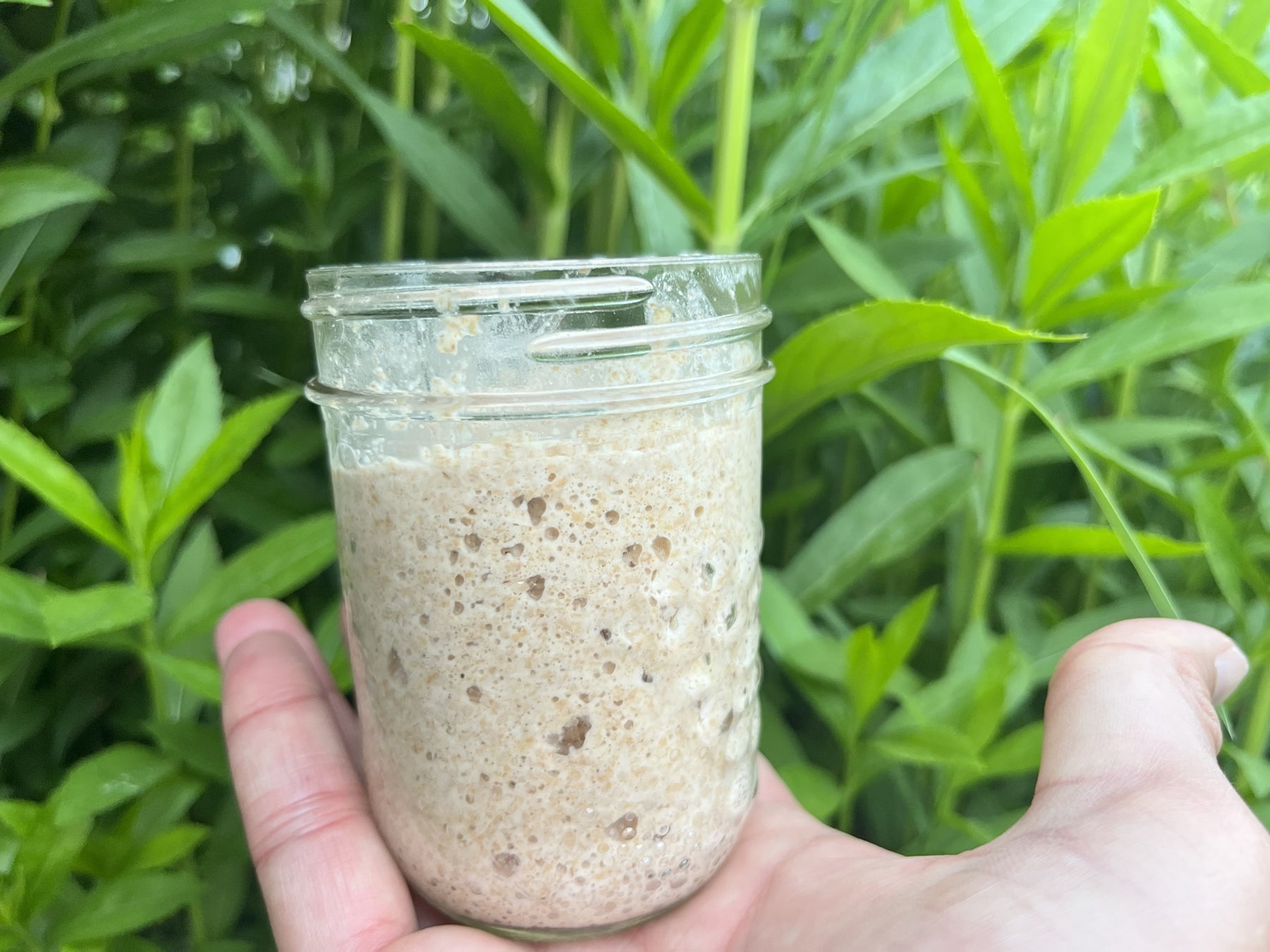
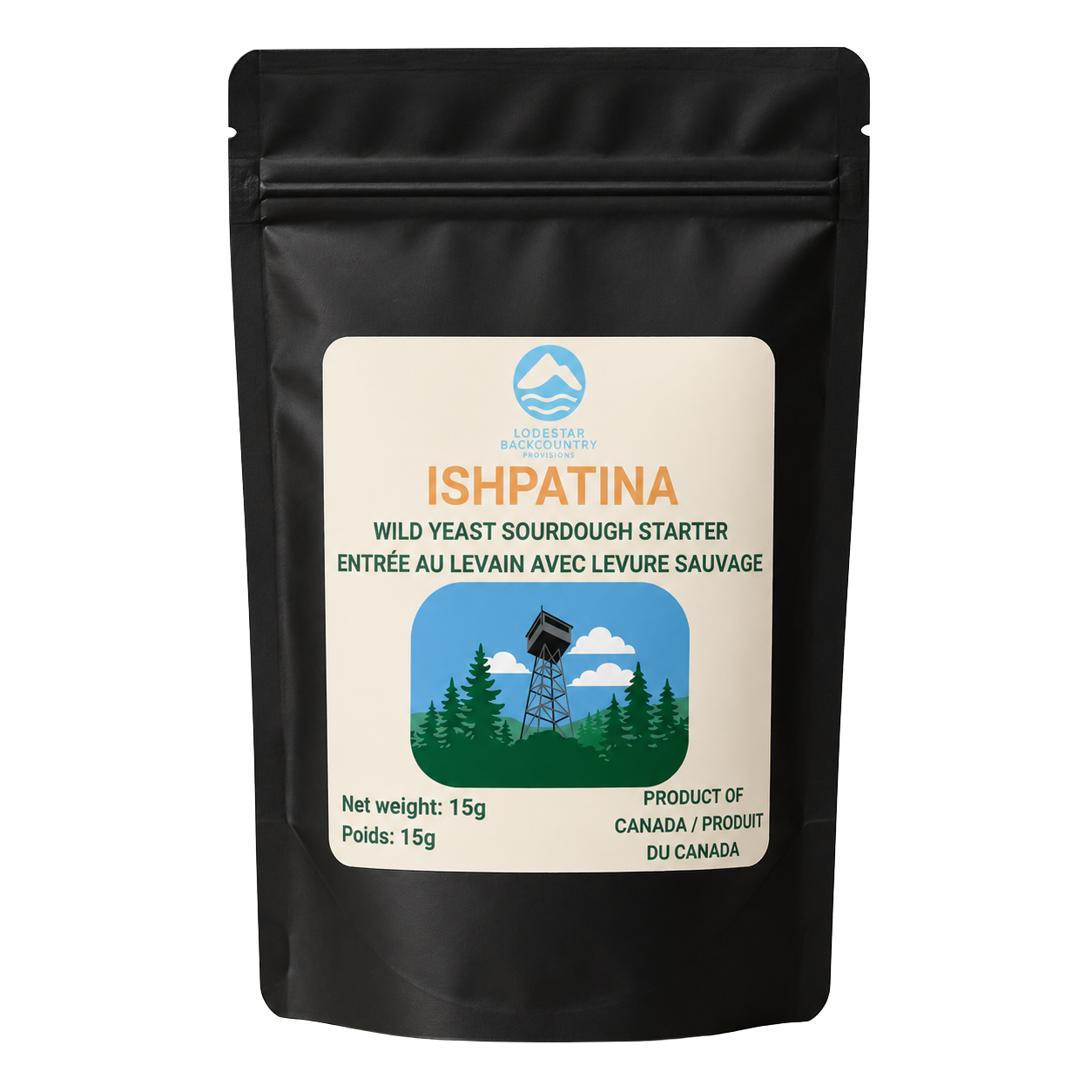
Field Release 001 · Wild yeasts collected in the forest near Ishpatina Ridge
$20.00
What arrives
Combine the dehydrated starter with flour and water using the step-by-step activation guide.
Build the culture through regular feedings until it rises predictably and is ready to bake with.
Maintain it over time as a living starter that adapts to your flour, kitchen, and baking routine.
The field record
Sterile flour-and-water cultures were placed in the boreal forest near Ishpatina Ridge to collect yeasts from the environment. The cultures were later analyzed by an Ontario yeast laboratory.
Identified yeasts from that field collection are used in the development of this starter.
Product details
A dehydrated, reusable sourdough starter developed using wild yeasts collected in the forest near Ishpatina Ridge, Ontario’s highest point.
15 g dehydrated starter | Makes one reusable living culture | Made in Canada
Most sourdough starters are defined by age, flour, or the bakery that maintains them. Ishpatina is defined by place.
On August 24, 2025, sterile flour-and-water cultures were placed in the forest near Ishpatina Ridge. The samples were later analyzed by Escarpment Laboratories in Guelph, Ontario. Wild yeasts identified from the collection were propagated and used during production.
The production culture was developed using Hanseniaspora uvarum and Metschnikowia pulcherrima collected from the region near Ishpatina Ridge.
Revive the starter with flour and water over several days. Activity will vary with temperature, flour, water, and feeding routine. Continue feeding until the culture becomes reliably active before using it to leaven dough.
Read the complete rehydration and starter-care instructions.
Once fully active, use it anywhere you would use a conventional sourdough starter, including:
Ishpatina Ridge is a remote destination reached through logging roads, forest trails, lakes, and exposed granite. The starter’s story began during a journey to the summit of Ontario’s highest point.
Read the Ishpatina Ridge trip report.
This is a living culture. Once revived, it must be fed and maintained like any sourdough starter. Use clean utensils, follow the provided instructions, and apply normal food-safe fermentation practices.
Questions
This starter is defined by place. Its development uses identified wild yeasts collected in the forest near Ishpatina Ridge, connecting the culture to documented fieldwork in Northern Ontario.
Yes. The starter arrives dehydrated and shelf-stable, with detailed activation instructions. Sourdough requires regular feeding, but no previous experience is required.
Activation occurs through several flour-and-water feedings. Temperature, flour, and your kitchen environment affect the timeline, so follow the signs of fermentation in the guide rather than relying on the clock alone.
No living starter remains microbiologically fixed in a home kitchen. As you feed it, organisms from flour and the surrounding environment can join the culture.
Yes. The field collection, laboratory work, and production are based in Ontario, Canada.